
LIVE EVENTS
Before the band arrives: a useful technical advance
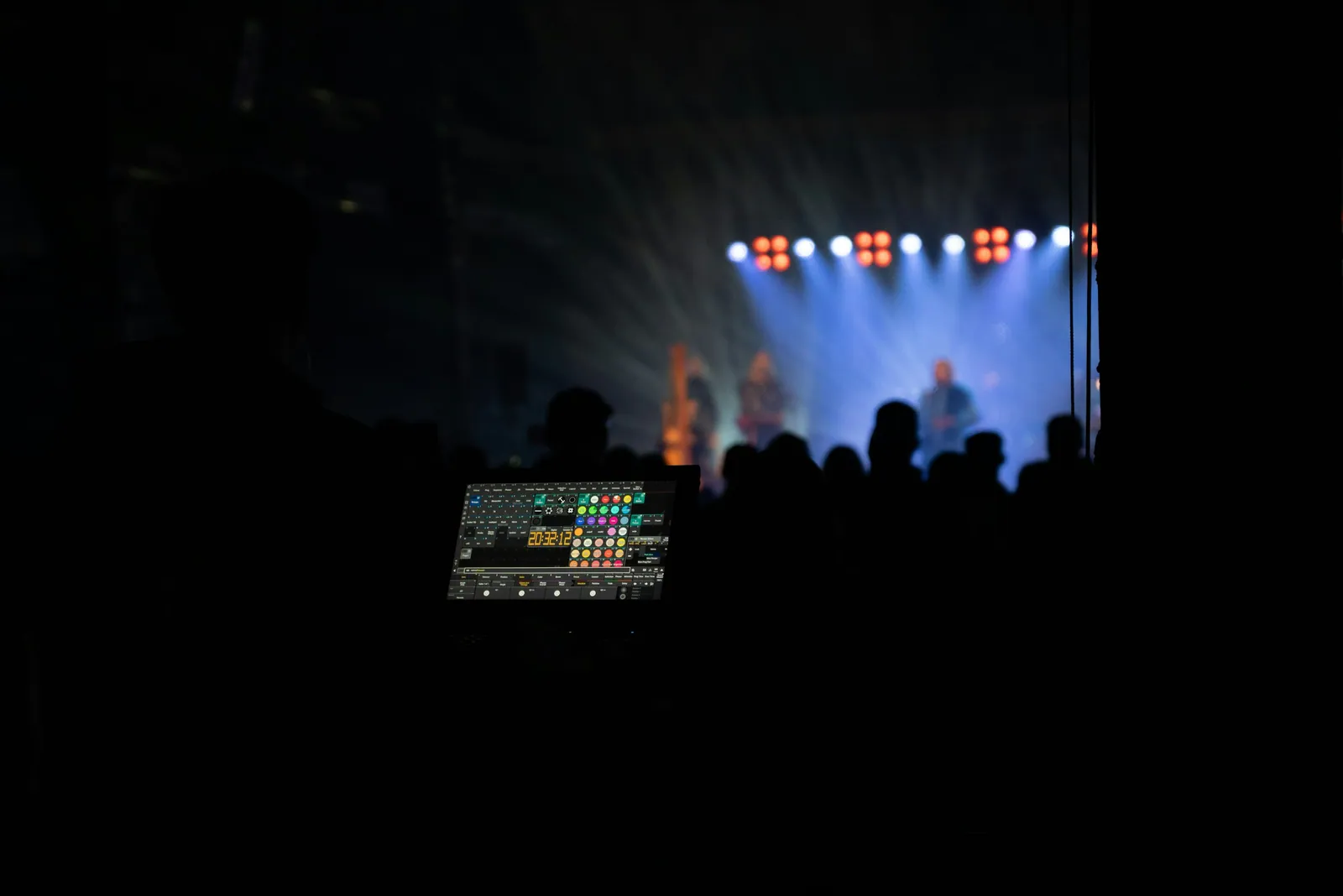
The band has a rider. The venue has some equipment. Your production supplier is bringing the rest. Before the event, someone needs to check that those three plans agree. That’s the point of a technical advance.
It’s the conversation that establishes what the act brings, what needs supplying and how the day will run. As the organiser, you don’t need to become a sound engineer. Connect the right people, collect the current documents and make sure the unanswered questions reach someone who can resolve them.
Ask for two documents that answer different questions
A stage plot shows where the performers and their equipment go. An input list describes the sound sources that need connections into the audio system. Yamaha’s soundcheck guidance recommends using matching numbers on both, so the physical position and audio channel refer to the same thing.
A clear sketch is enough to start with, as long as the information is there. Ask for a version date and a technical contact. Does the singer also play acoustic guitar for part of the set? Has the keyboard player changed their setup since the rider was written? Small changes can affect the plan, so the paperwork needs to reflect the band that’s arriving.
Separate what the band brings from what you need
A list of instruments does not establish who supplies the drum kit, amplifiers, keyboard stand, microphones or monitors. Confirm each responsibility. Shared backline can help a multi-band event, but only after the acts agree what is shared and what changes between performances.
Monitor requirements deserve their own question. An act bringing an in-ear rack may need a different arrangement from a band using stage wedges. Pass those details to the sound technician rather than assuming every band wants the same feeds.
- Current line-up, stage plot and input list for each act.
- Equipment supplied by the band, venue and production company.
- Stage-monitor or in-ear requirements and the responsible technician.
- Playback sources, walk-on music and any unusual connections.
- The person authorised to confirm technical changes.
Give changeovers space in the schedule
Publish the running order with arrival, access, soundcheck, doors, performance and finish times. Ask how long each act needs to set up and clear the stage, and identify somewhere for equipment waiting offstage. These are questions to settle with the people doing the work, rather than a universal five- or ten-minute allowance.
At the St John’s College festival in Cambridge, our three-person crew covered sound, lighting and stage changeovers for four bands. Those were distinct jobs during the show, even though everyone had helped build the rig. The running order and crew responsibilities belonged in the same conversation as the stage and equipment.
Finish with one agreed version
Send the final advance to the band contact, venue and production lead together. Highlight changes after that point and keep the latest version easy to identify. A short final call is often the quickest way to resolve an ambiguous note.
Berklee’s Red Room asks visiting acts to submit a stage plot and input list in advance. Its deadlines are specific to that venue; your own event needs a deadline agreed with its team. The useful principle is early coordination, while there is still time to adjust the plan.
TAKE THIS INTO YOUR BRIEF
Collect the current stage plot, input list, equipment responsibilities and running order, then put the band and production contacts in the same conversation.
Sources & useful reading.
- Yamaha: Seven Ways to Ensure a Smooth Sound Check
Manufacturer guidance on input lists, matching stage diagrams and monitor information. The checklist here is an original organiser-focused planning aid.
- Berklee Red Room: information for bands and artists
A venue’s primary example of requesting a stage plot and input list before show day; its specific deadlines are not presented as Bucks AV policy.
Put it into practice.
If you’re planning an event, send the date, venue and what you know so far. We’ll help work through the rest.
Talk through your eventA little more useful reading.
EVENT PLANNING
What is a lectern, and which one suits your event?
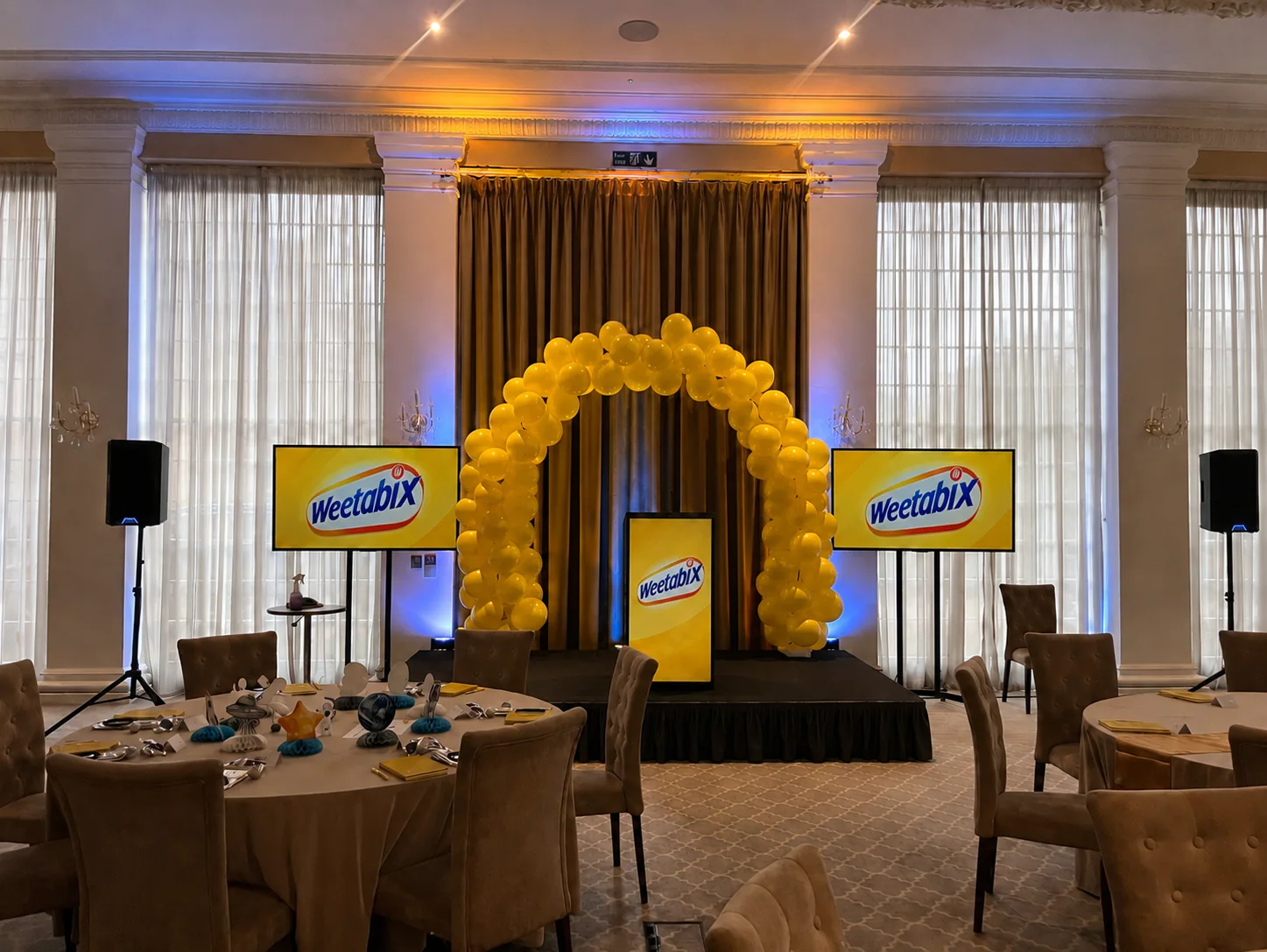
A lectern holds a speaker’s notes. Here’s how to choose one around the presenter, working surface, microphone and branding, with a real conference example.
Read the guide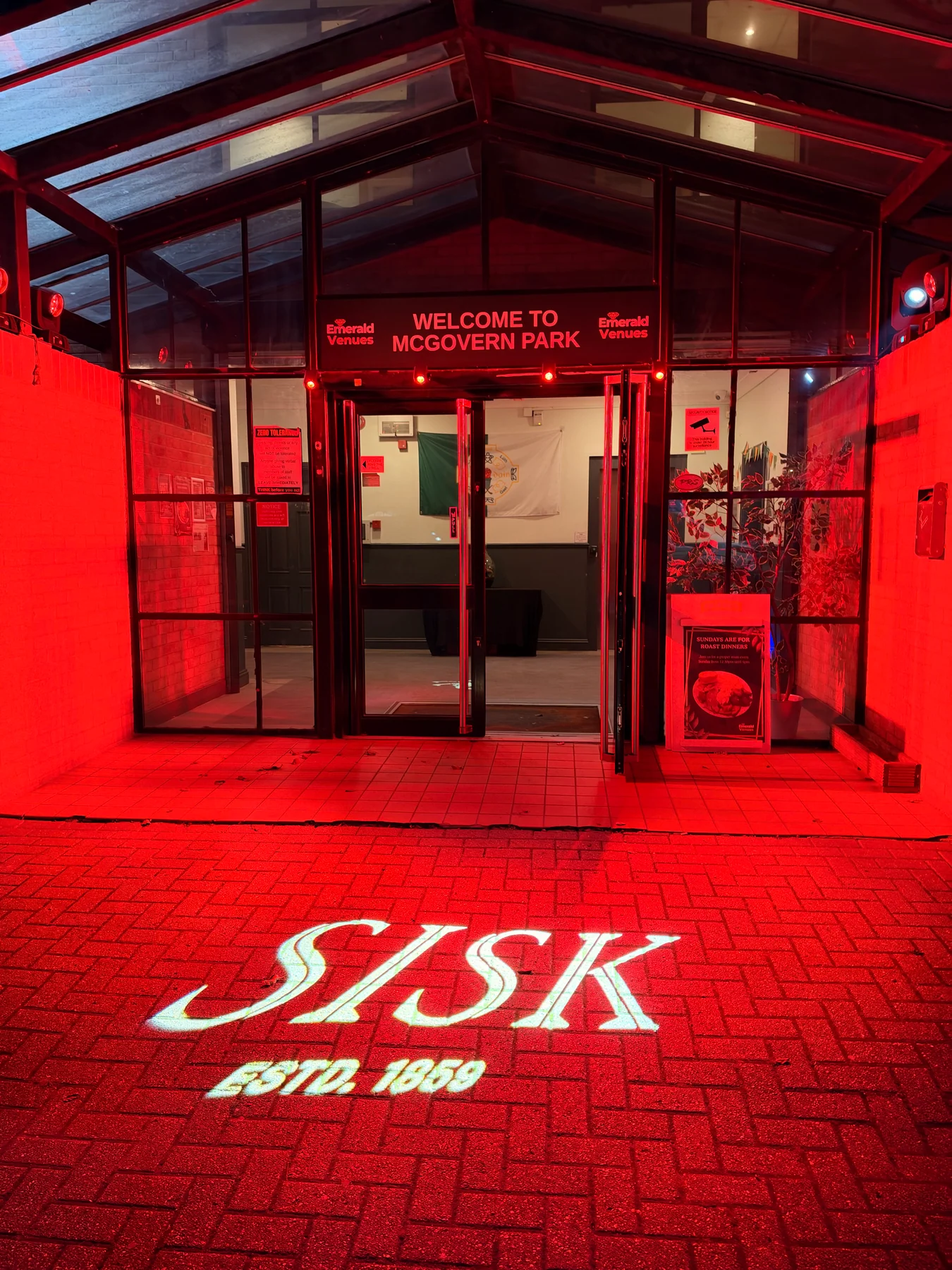
LIGHTING
What is a gobo? Logo projection at events explained
How gobos project logos and patterns at events, what affects the result, and how to plan artwork, surfaces and lighting, with a real SISK example.
Read the guide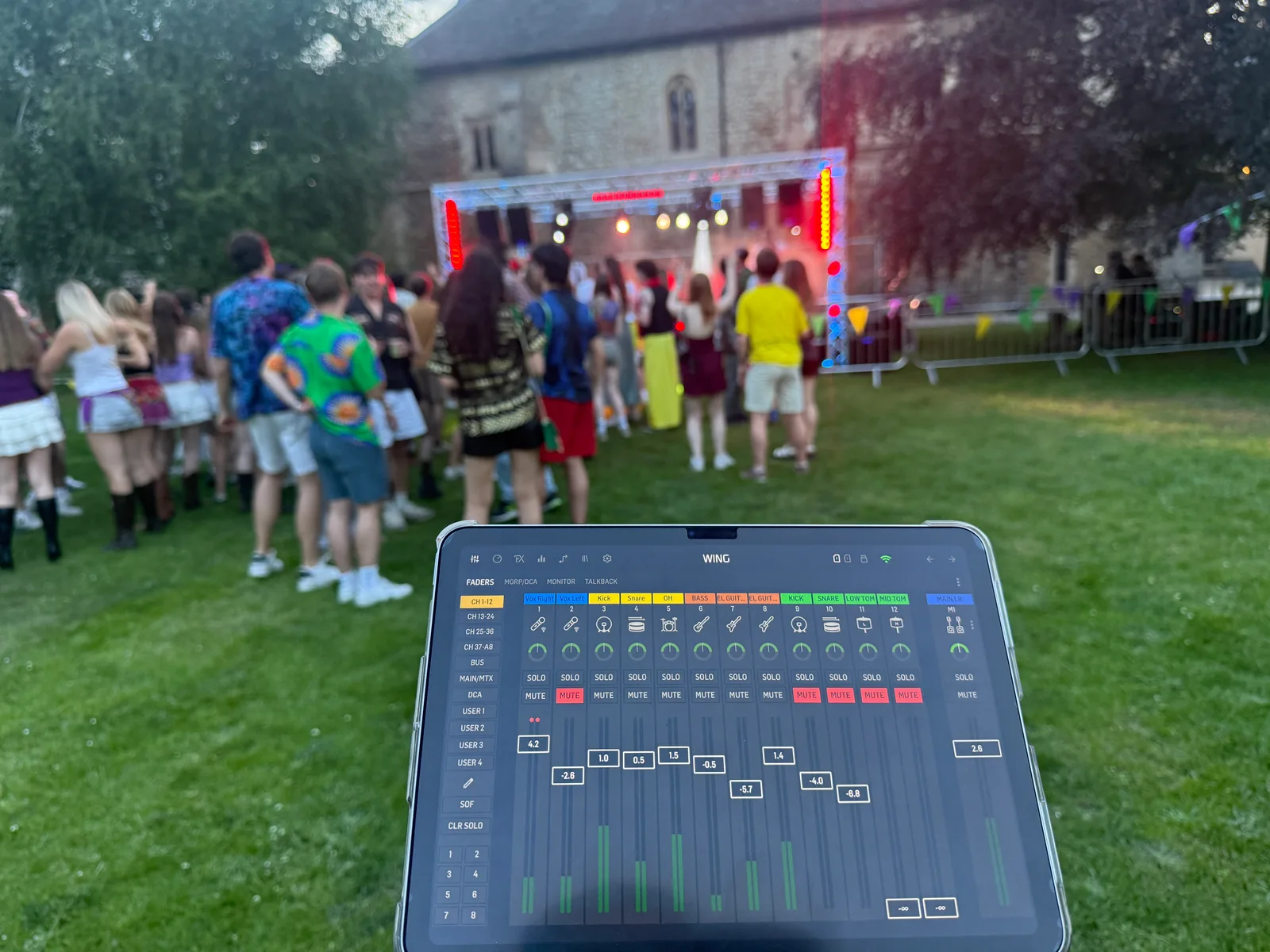
AUDIO
What is a PA system, and what does your event need?
PA systems explained: microphones, mixers and speakers, plus how to choose sound for speeches, live music and your venue without relying on wattage alone.
Read the guide