
AUDIO
What is a PA system, and what does your event need?
A PA system is a public address system: equipment that amplifies speech or music for an audience. It takes sound from a microphone, instrument or playback device and carries it through loudspeakers. That could mean a compact setup for a talk or a much larger system for a live band.
If you’re hiring one for an event, you don’t need to arrive with a list of model numbers. Understanding what each part does makes it easier to choose a sensible setup and spot what a quote includes.
What actually makes up a PA system?
Follow the sound from the person speaking to the people listening. A microphone turns their voice into an electrical signal. A mixer lets the operator balance it with other sources, such as a second microphone or presentation audio. An amplifier provides the power to drive the loudspeakers, which turn the signal back into sound.
These jobs don’t always need separate boxes. A powered speaker contains its own amplifier; some also have a small mixer built in. A passive speaker needs a suitable external amplifier. Either arrangement can form a PA system: what matters is that the components work together and provide the connections the event needs.
A hire quote should make the complete setup clear, including microphones, mixer, speakers, stands and the necessary cables. Two speaker cabinets on their own may leave you short of what you need to run the event.
Speeches, a quartet and a band need different things
For a talk, the priority is understanding the words. At the Barnsgrove Speaker Series, around 200 guests heard a conversation followed by audience questions. We used two PA speakers, two lapel microphones for the speakers and a handheld for the host, mixed on a Behringer WING Rack. The microphone choices followed the format of the evening.
Our Candlelight work at Rochester Corn Exchange called for another approach. Four Alto TS412 speakers carried the quartet to an audience of 500 at each show. Instrument microphones captured the players, with very little processing to preserve their natural sound and dynamics. A separate handheld covered the introductions between pieces.
A band may also need stage monitors so the musicians can hear themselves. Those serve the performers; the main PA serves the audience. A subwoofer adds low bass and may be useful for a DJ or amplified band. It isn’t automatically needed for a spoken presentation.
How big does the system need to be?
Audience numbers are a starting point. The distance to the back row, the shape of the listening area, background noise and the type of programme all affect the choice. A long room and a wide room with the same headcount present different coverage problems.
Don’t choose by the largest wattage printed on the speaker. Wattage alone doesn’t describe its usable output or how evenly it covers an audience. Manufacturer coverage guidance is a starting point too, rather than a guarantee for every venue.
Give the supplier a room plan or a few photographs, and say whether the audience will be seated, standing or moving between spaces. For an outdoor event, include the site layout and nearby noise-sensitive areas. That is more useful than trying to turn the guest list into a watts-per-person calculation.
Who will operate it?
Decide this while choosing the equipment. One microphone and a fixed playback source may suit a client-operated setup after an agreed handover. Several presenters, changing microphone users and live music put more demands on the person managing the sound.
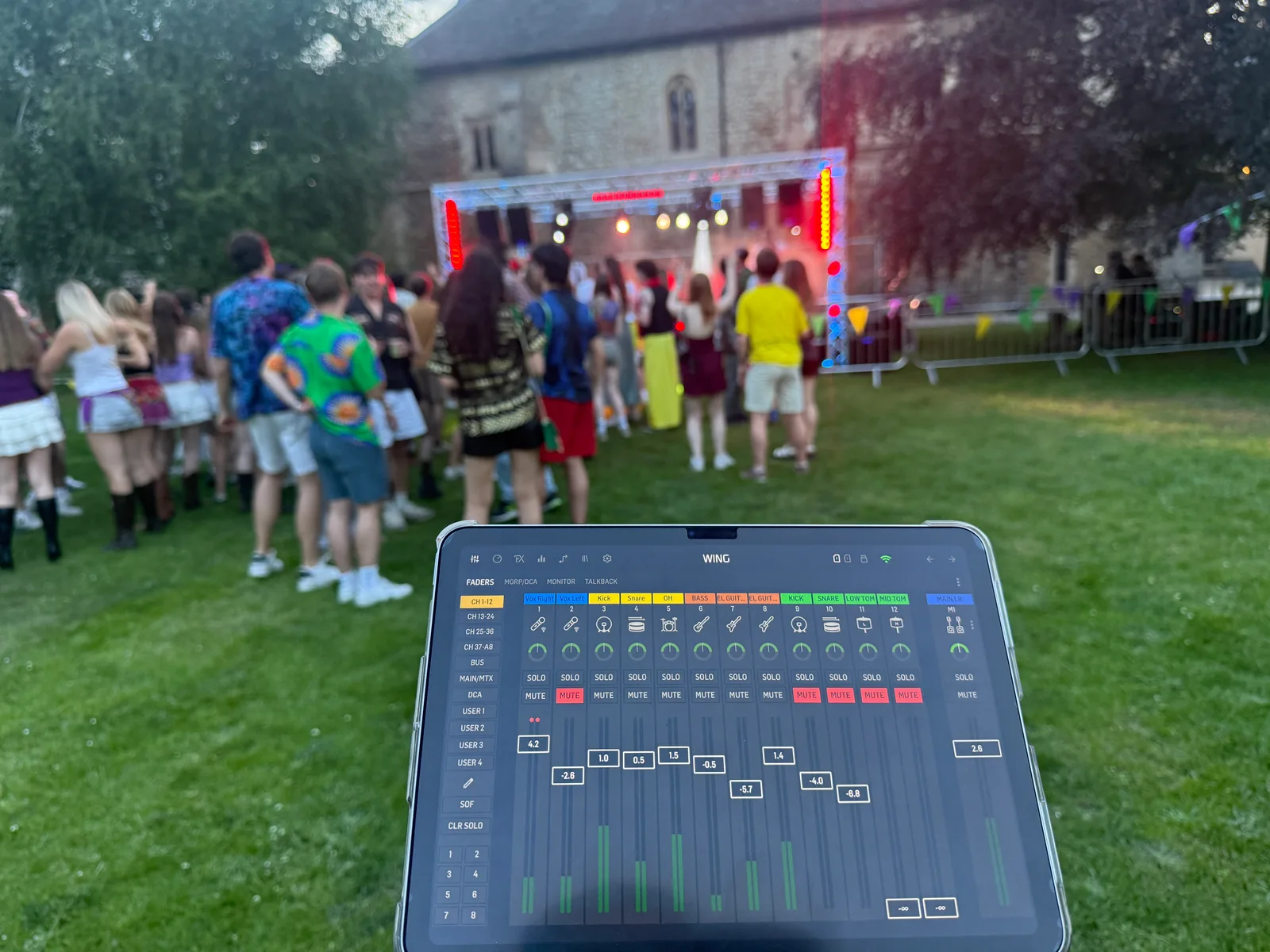
For BP’s staff celebration at Heathrow, we supplied and set up speakers, microphones, a mixing desk and screens, then left the client to operate them as requested. At the St John’s College festival in Cambridge, we mixed the show from the crowd using iPad control of the WING Rack. The support should fit how the event will run.
Before booking, confirm who is connecting the laptop or music source, who handles microphone changes and what support is included. You should know who is looking after the sound when the first person starts speaking.
TAKE THIS INTO YOUR BRIEF
Start with what the audience needs to hear, where they will be and who will run the sound. Then check that the proposed system includes every part needed to do that job.
Sources & useful reading.
- Yamaha: speakers in a PA system
Powered and passive speakers, main speakers, subwoofers and stage monitors. Checked 3 November 2026.
- Yamaha: what mixers do
Balancing audio sources and choosing suitable microphone and playback inputs. Checked 3 November 2026.
- HARMAN: portable PA coverage guide
Why coverage depends on the application, listening distance and venue, and why wattage alone is insufficient. Checked 3 November 2026.
- JBL: choosing a portable PA
An introduction to the signal path and the range from self-contained systems to larger sound reinforcement. Checked 3 November 2026.
- Our work: Speaker Series at Barnsgrove
Our confirmed speech setup for around 200 guests: two speakers, lapel and handheld microphones and technical support.
- Our work: Candlelight at Rochester Corn Exchange
Our confirmed quartet setup for 500 people at each performance, with four speakers and minimal processing.
- Our work: BP staff celebration at Heathrow
Equipment supplied and set up for the client to operate, as requested.
- Our work: St John’s College festival
Our festival sound system, including WING Rack mixing controlled from the audience.
Put it into practice.
If you’re planning an event, send the date, venue and what you know so far. We’ll help work through the rest.
Talk through your eventA little more useful reading.
AUDIO
Handheld, lapel or headset: which microphone suits your event?
Choose a microphone around the presenter and programme. Compare handheld, lapel and headset options for talks, panels and audience questions.
Read the guide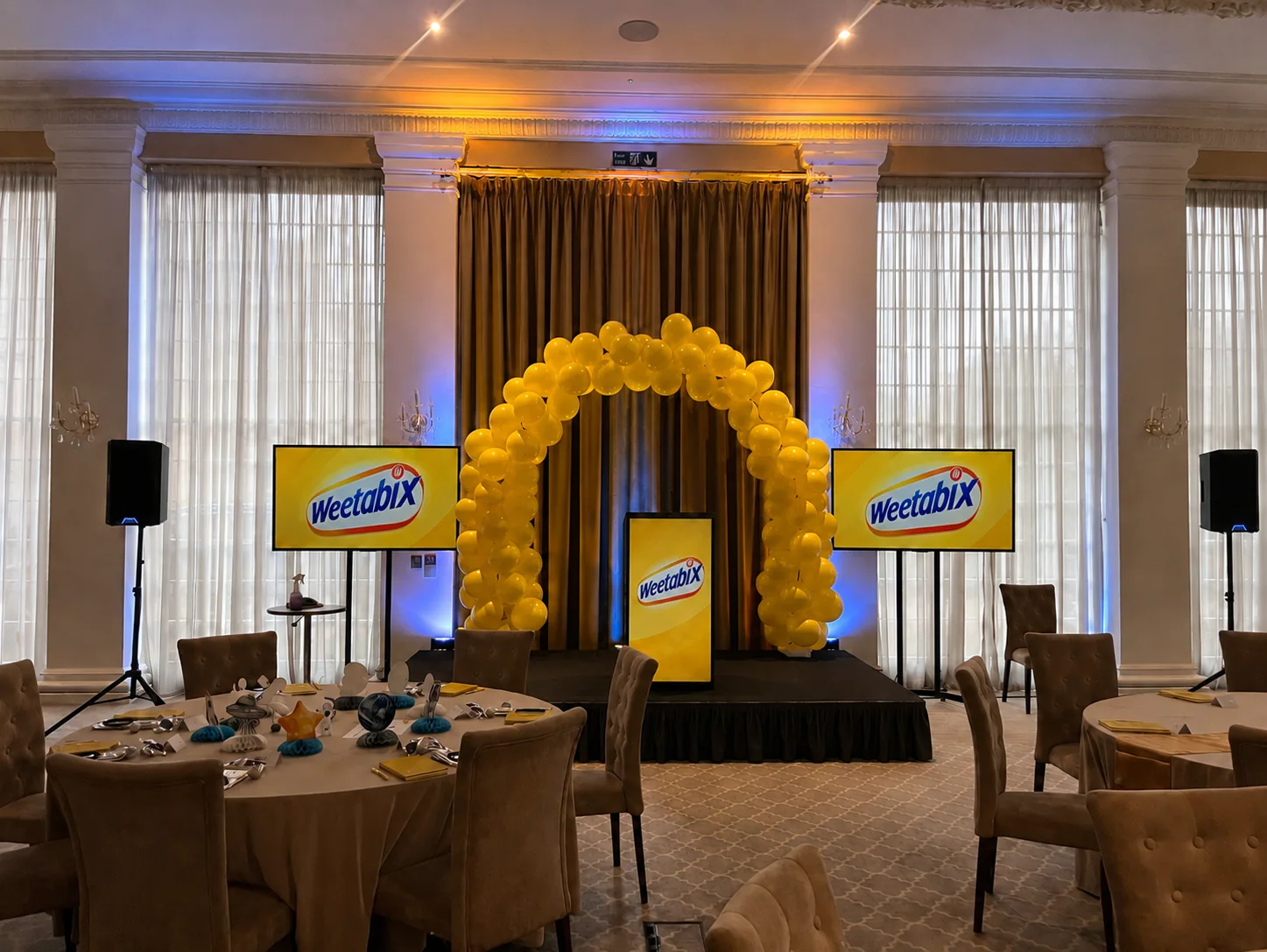
EVENT PLANNING
What is a lectern, and which one suits your event?
A lectern holds a speaker’s notes. Here’s how to choose one around the presenter, working surface, microphone and branding, with a real conference example.
Read the guide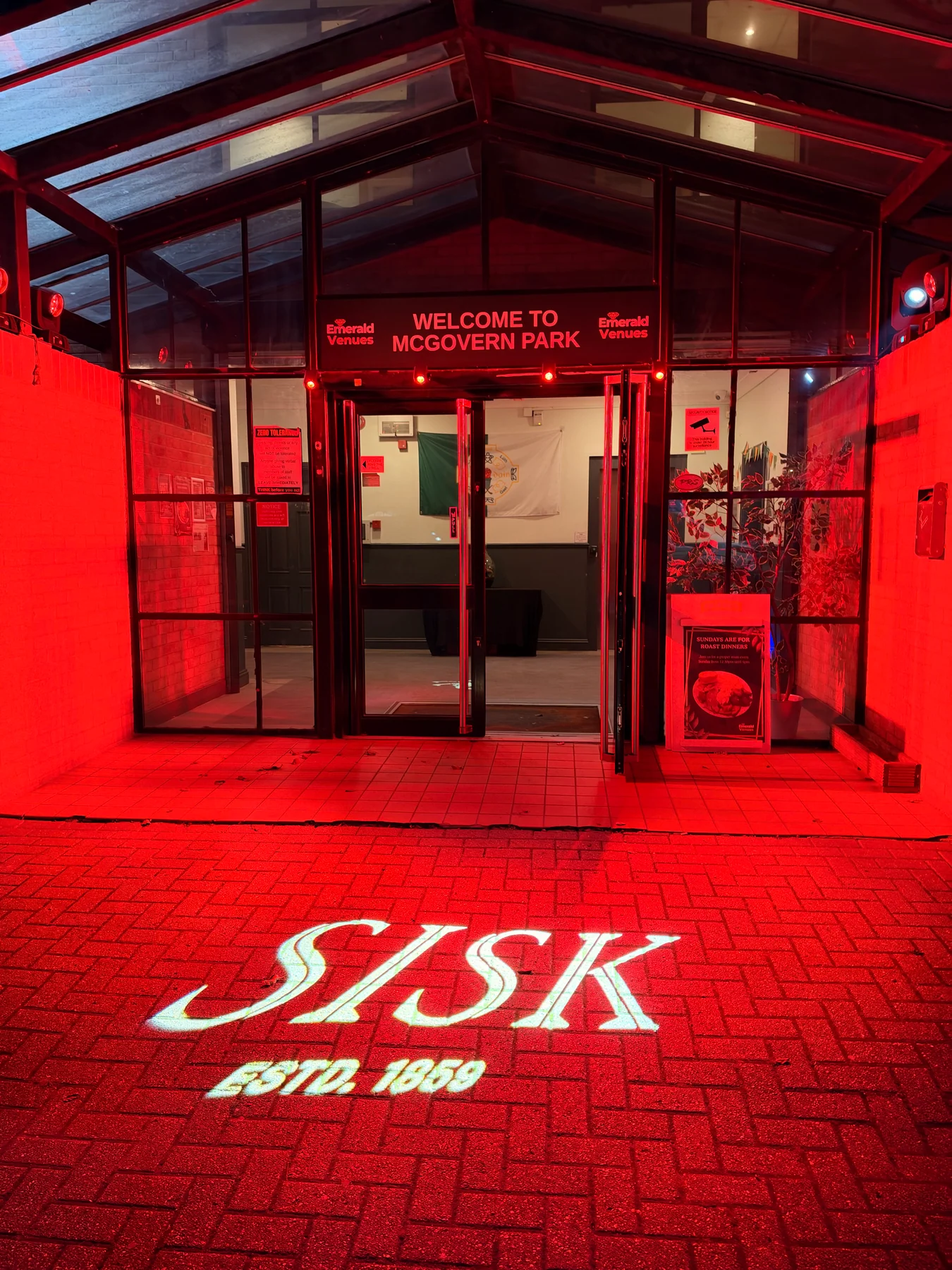
LIGHTING
What is a gobo? Logo projection at events explained
How gobos project logos and patterns at events, what affects the result, and how to plan artwork, surfaces and lighting, with a real SISK example.
Read the guide