
PLANNING
The part of an event plan people forget: getting the kit in and out
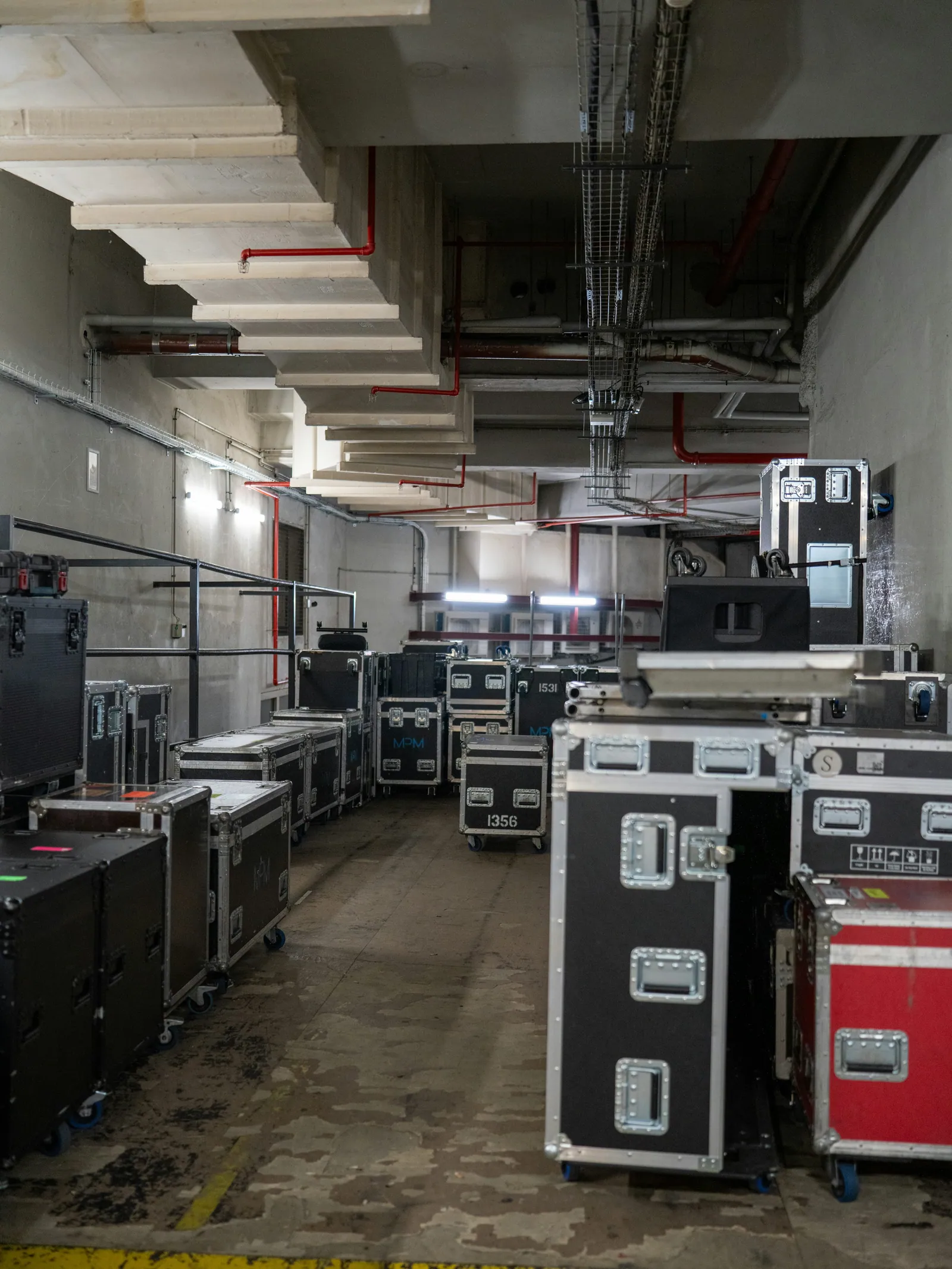
“The event starts at nine” is a useful time for the diary. The AV crew also need to know when they can unload, when the room will be free and when the system must be ready to use. Those times may be quite different.
There’s another part of the schedule after the final speech or song. Everything needs packing down and collecting, often through a route shared with guests, venue staff and other suppliers. Plan both ends of the day while you still have room to adjust them.
Separate arrival, access and ready-to-use times
Put the earliest unloading time, room-access time and required ready time into the brief. They may be different. If the room is being used beforehand, tell the supplier when it will actually be clear and available, and whether furniture or scenery must be moved before AV installation starts.
Include the programme’s key moments: doors opening, presenter arrival, any planned run-through, the first live cue and the end of the event. Your supplier can then explain what setup and checks need to fit around them. Avoid choosing a setup allowance simply by looking at the guest-facing timetable.
Walk the whole route, not just the final doorway
Start at the unloading point and follow the equipment’s route to its working position. Tell the supplier about lifts, stairs, changes of level, narrow turns, long outdoor paths and areas used by other teams. Photographs and accurate measurements can help the supplier assess the route before deciding how to deliver the job.
For SISK’s topping out ceremony in Bermondsey, our kit travelled to the roof in a large container lifted by crane. It came down the same way afterwards. The AV setup was straightforward; getting it there was the unusual part. Access belonged in the first conversation, because it affected how the whole job would be delivered.
Agree who owns each access detail
Name the onsite contact who can meet the crew, confirm the room is ready and resolve access questions. Check who arranges delivery bookings, parking, keys, passes and any venue induction. If specialist handling or site coordination is involved, establish the responsible parties with the venue and supplier rather than leaving an assumption in the schedule.
Venue procedures vary. Excel London’s build-and-breakdown guidance describes traffic-office and loading-area arrangements; the NEC’s event-build guidance requires delivery slots for access behind its exhibition halls. Follow your event’s current instructions, rather than applying another venue’s process to your job.
Plan the get-out while you plan the load-in
Confirm when the room can be cleared, when technical packdown may begin and when the equipment must leave. Ask whether the collection route or unloading area changes after guests arrive. Check who remains available at the venue until the crew has finished.
Talk through the collection sequence with the suppliers who share the space. A stage, sound system, catering equipment and furniture may all need to use the same route. Giving everyone the same get-out time won’t resolve that on its own. Agree who moves what, when the route is available and who can help if the plan changes.
Keep the access brief short and usable
A single page is often enough to capture the decisions. Share it with the organiser, venue contact and production team, and update the same document when plans change.
- Exact delivery entrance and route to the event space.
- Unloading, room-access, ready, finish and collection times.
- Onsite contact and responsibility for passes or bookings.
- Known route restrictions and any shared access.
- Where vehicles and empty cases can go during the event.
TAKE THIS INTO YOUR BRIEF
Treat delivery, room access, setup, operation and collection as separate parts of the event schedule. Share the route and timings before the equipment list is final.
Sources & useful reading.
- SISK’s rooftop topping out ceremony
Bucks AV’s confirmed May 2026 example of equipment reaching and leaving a rooftop in a crane-lifted container. No lifting method or engineering instruction is implied.
- Excel London build and breakdown FAQs
Confirms venue-specific traffic-office, marshalling and loading-area procedures. Event organisers should obtain the instructions applicable to their own dates.
- NEC exhibitor parking and event-build access
Confirms a venue-specific delivery-slot requirement during event build; it does not establish requirements at other venues.
Put it into practice.
If you’re planning an event, send the date, venue and what you know so far. We’ll help work through the rest.
Talk through your eventA little more useful reading.
PLANNING
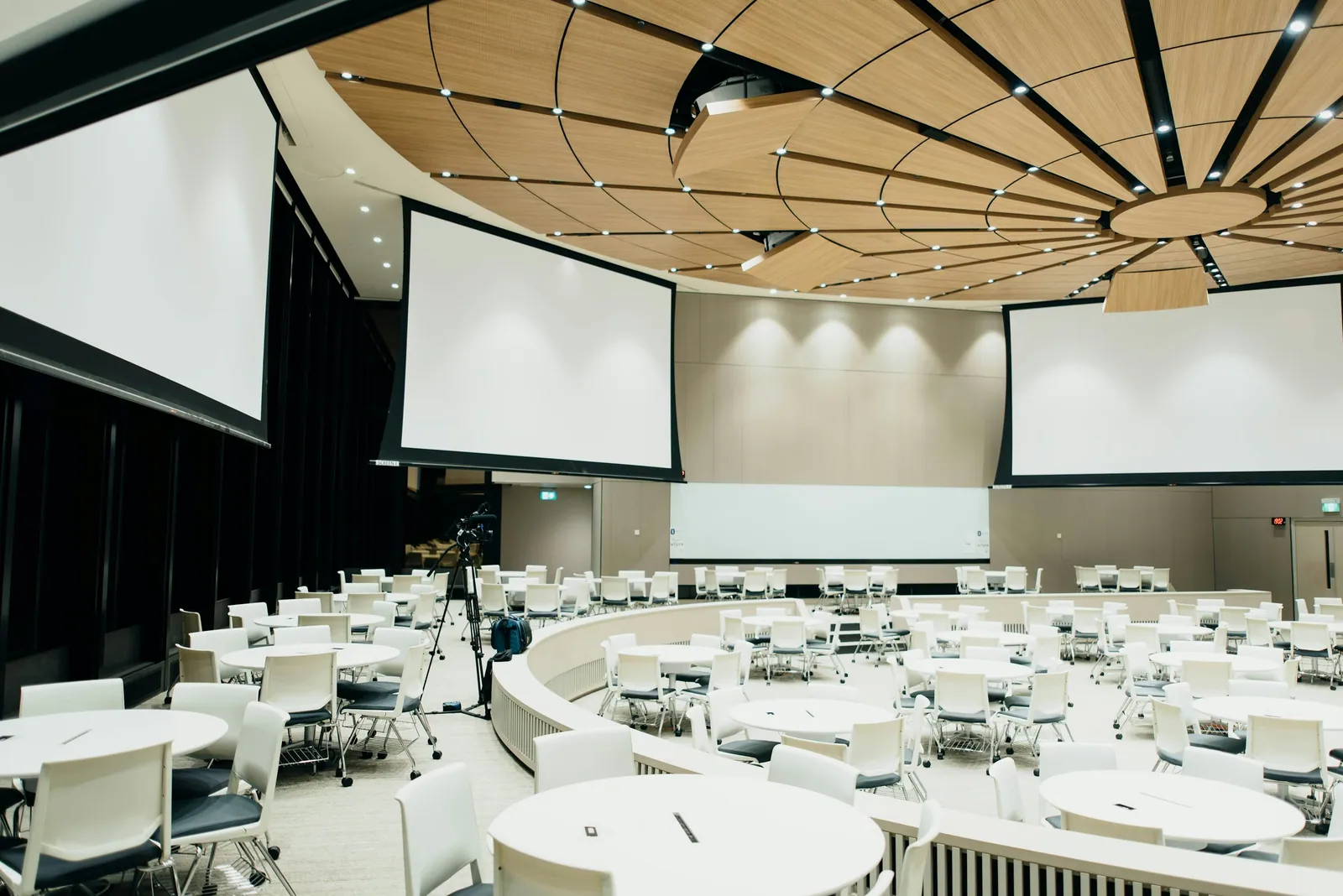
What to put in your conference AV brief
A practical conference AV brief: audience, room, programme, presentations and access details that help your production supplier plan the right setup.
Read the guide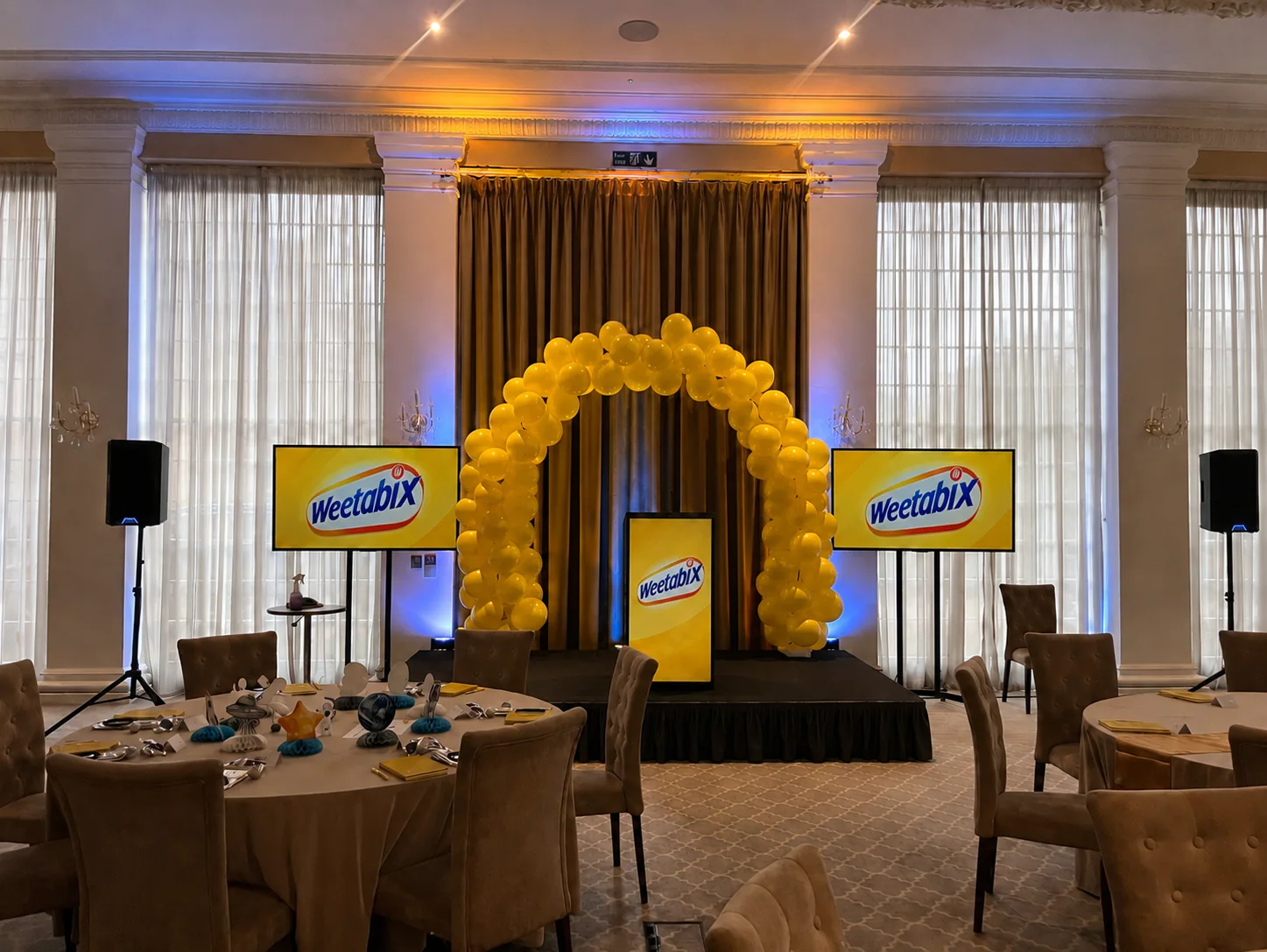
EVENT PLANNING
What is a lectern, and which one suits your event?
A lectern holds a speaker’s notes. Here’s how to choose one around the presenter, working surface, microphone and branding, with a real conference example.
Read the guide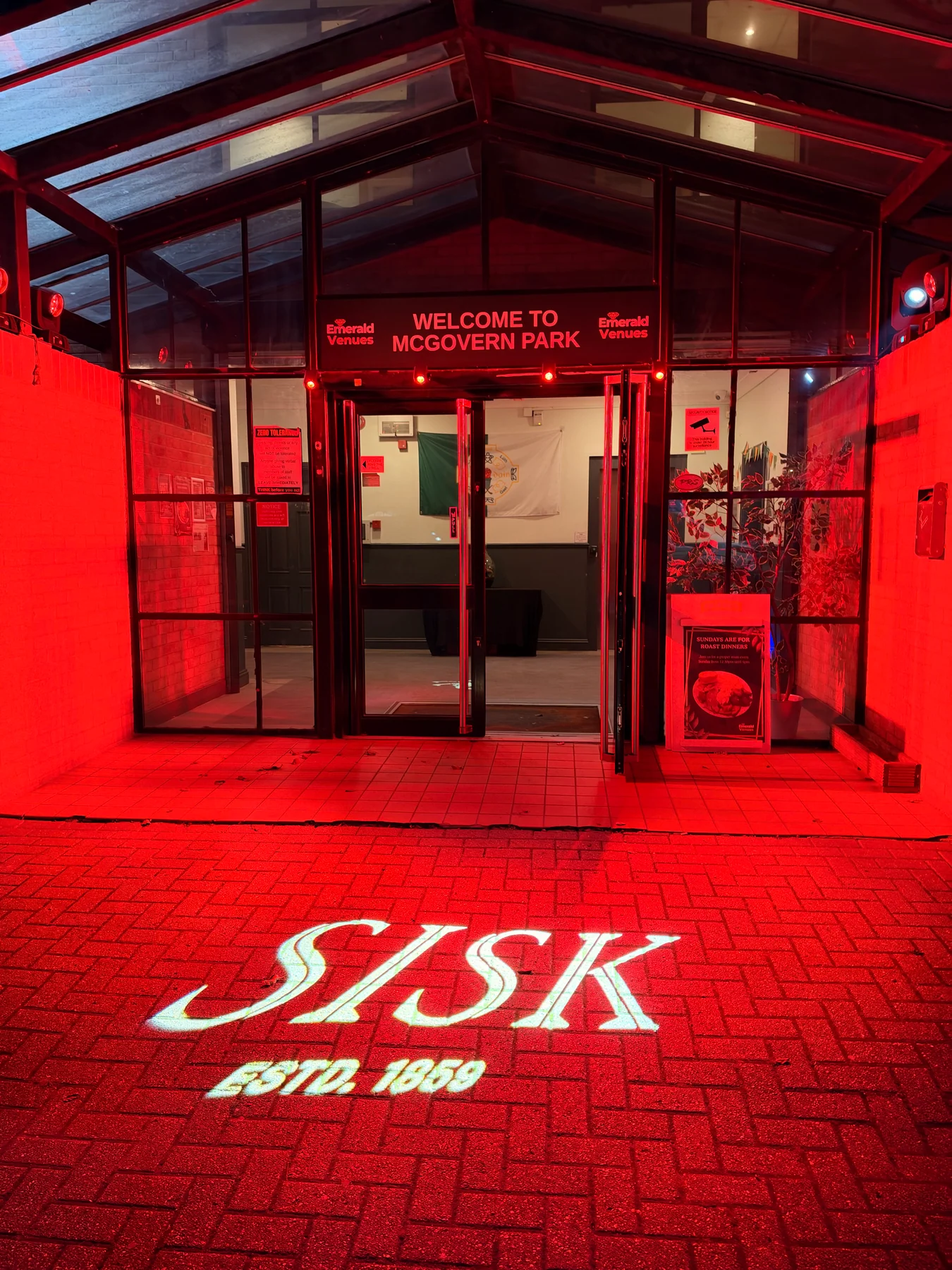
LIGHTING
What is a gobo? Logo projection at events explained
How gobos project logos and patterns at events, what affects the result, and how to plan artwork, surfaces and lighting, with a real SISK example.
Read the guide