
LIGHTING
Wash, spot or followspot? Start with what the audience needs to see
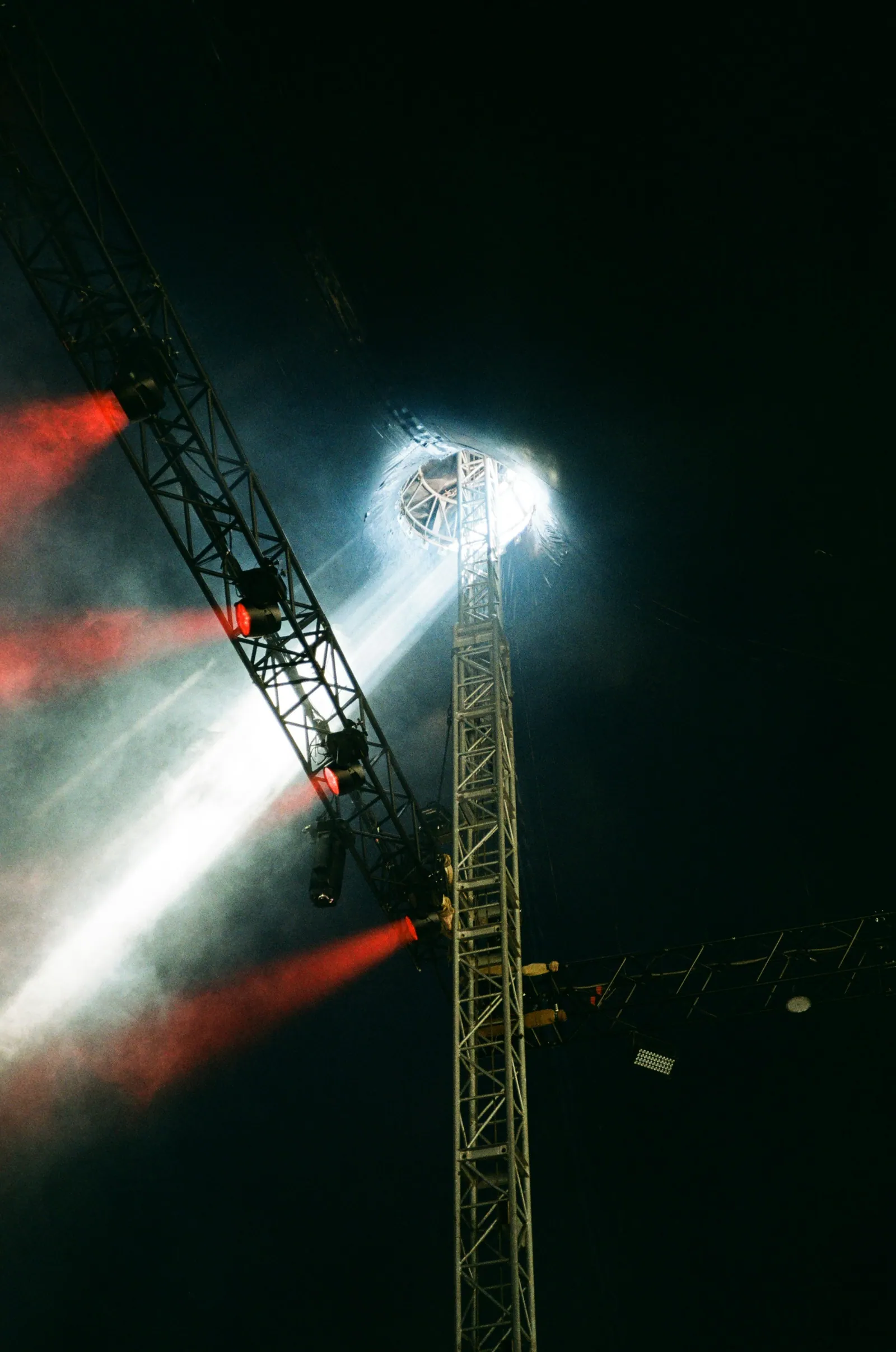
Do you want the audience to see a speaker clearly, follow a moving performer or feel a change as the band starts? Describe that first. You don’t need to arrive with a list of lighting fixtures to explain the look your event needs.
Washes, moving spots and followspots do different jobs. Understanding those differences helps you talk through the plan with a lighting team, without having to design the rig yourself.
A wash provides colour and coverage
A wash is useful when an area, group of performers or piece of scenery needs a field of light. Think about the whole stage picture rather than a single sharply defined target. In a band show, that might mean a colour palette that ties the performers and background together.
A wash can have movement and zoom as well as colour. Chauvet’s Rogue R1X Wash, for example, combines those features in a moving fixture. The question is how to use its coverage in the stage picture: which people or surfaces need light, where the fixture can go and what the audience should notice.
A moving spot creates definition and texture
Moving spots are often chosen for more defined visual elements: shaped beams, projected patterns and changing focus within the design. A gobo is a pattern that a suitable fixture can project; it is a tool for the look, rather than a requirement for every event.
Chauvet’s Rogue R1E Spot has gobo wheels and other beam-shaping features, giving a designer ways to add patterns and definition. A conference and a festival set may use that capability very differently. The brief should make clear how much movement and visual activity will suit the occasion.
A followspot adds an operator to the plan
An operated followspot is a way to keep attention on a subject moving through the performance. The fixture and the person operating it are both part of the requirement. The brief needs the performance area, likely movement and who gives the operator their cues.
Chauvet’s Followspot 200ST has a defined beam and a mechanical iris for adjusting its diameter. Position and throw still need to be assessed for the event; a product name alone cannot confirm that an available operating position will work.
Describe the performance, including its limits
At Horsemanship Hub’s September 2026 event at Bury Farm Equestrian Centre, Bucks AV supplied washes, spots, battens, uplighters, COB fixtures and a Followspot 200ST with an operator. Lighting ran through MagicQ, with a member of the show team calling scenes.
The horses shaped that lighting design. Scenes were carefully tailored to the performance, with a member of the show team calling them. That context mattered far more than the number of effects available. Tell your lighting supplier about the performers, the environment and any sensitivities early, while the approach is being planned.
- What needs clear visibility, and from which audience positions?
- Which moments need a different atmosphere or a change of focus?
- Will anyone move beyond a fixed presentation or performance area?
- Are there restrictions or sensitivities around movement, flashing effects or atmosphere?
- Who will design, operate and call the lighting cues?
TAKE THIS INTO YOUR BRIEF
Brief the lighting team on visibility, atmosphere, movement and cueing. Fixture selection should follow those needs.
Sources & useful reading.
- Chauvet Professional: Rogue R1X Wash
Primary information for the colour-mixing, moving wash and zoom example; no exact optical specification is prescribed for a venue.
- Chauvet Professional: Rogue R1E Spot
Primary information for gobo wheels and beam-shaping features.
- Chauvet DJ: Followspot 200ST
Primary information for the defined beam and mechanical iris; event positioning is a separate production decision.
Put it into practice.
If you’re planning an event, send the date, venue and what you know so far. We’ll help work through the rest.
Talk through your eventA little more useful reading.
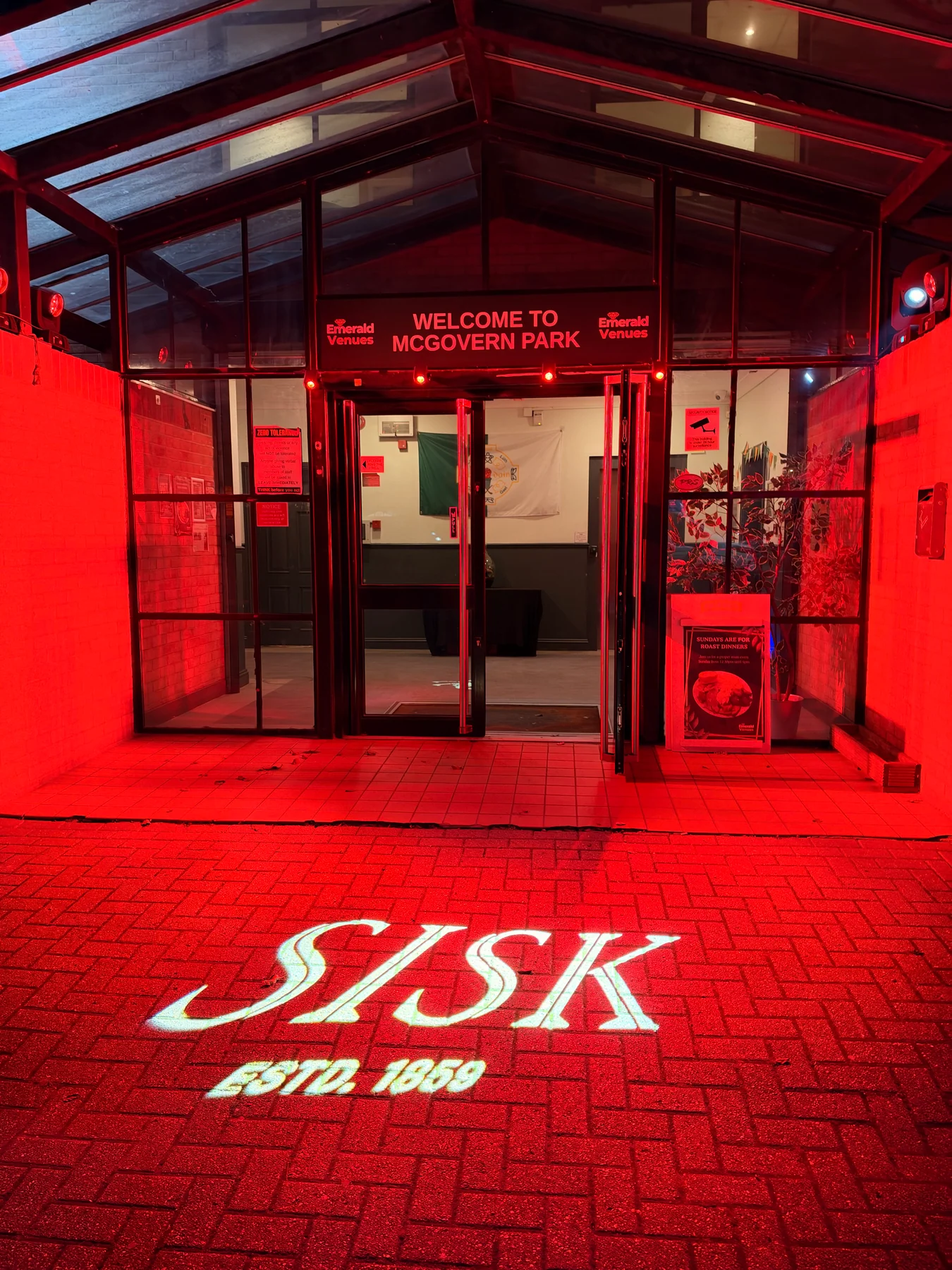
LIGHTING
What is a gobo? Logo projection at events explained
How gobos project logos and patterns at events, what affects the result, and how to plan artwork, surfaces and lighting, with a real SISK example.
Read the guide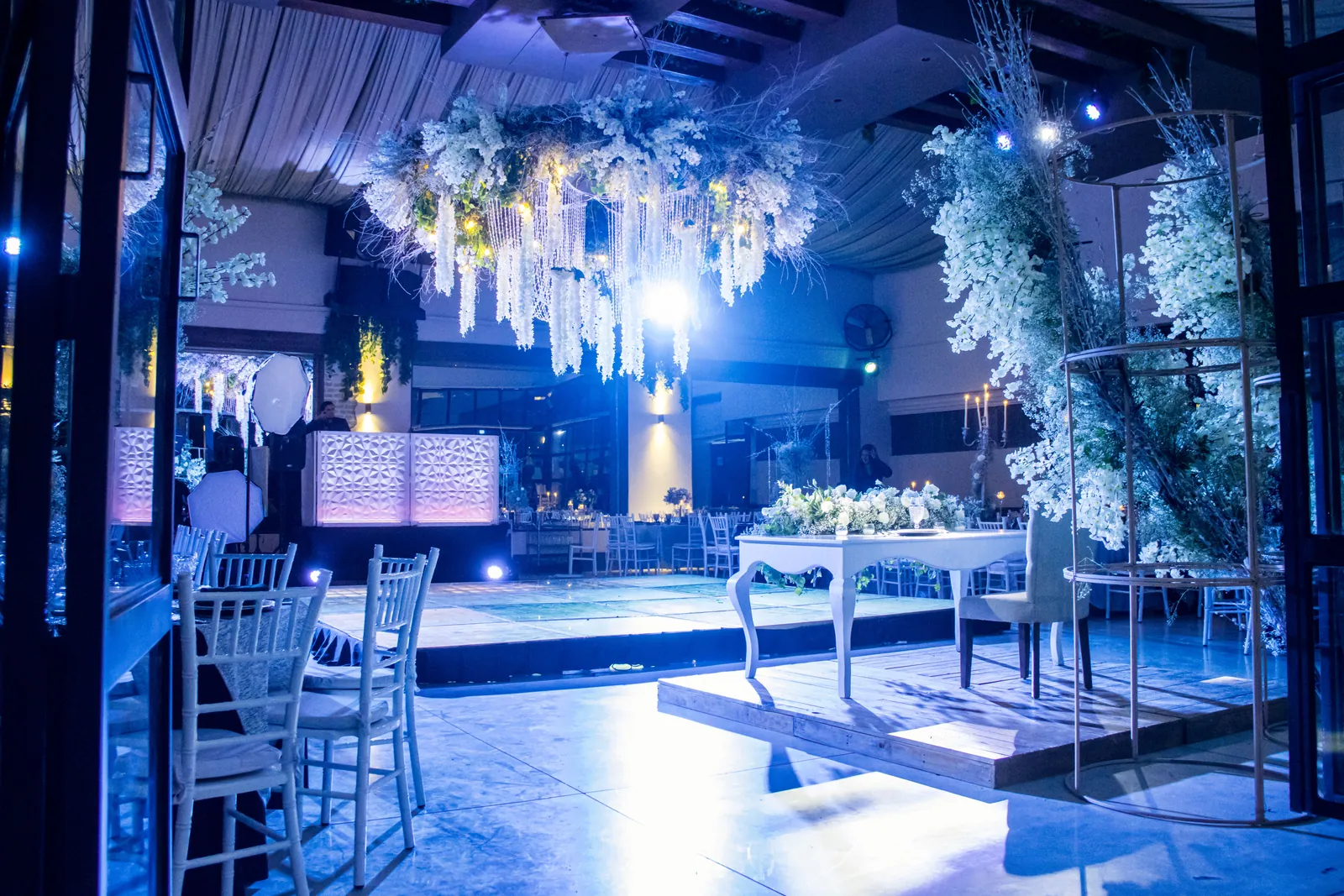
LIGHTING
Wireless uplighting: the questions that make the room work
Plan wireless event uplighting around the room, colours, runtime and control, with practical questions to ask before choosing a fixture count.
Read the guide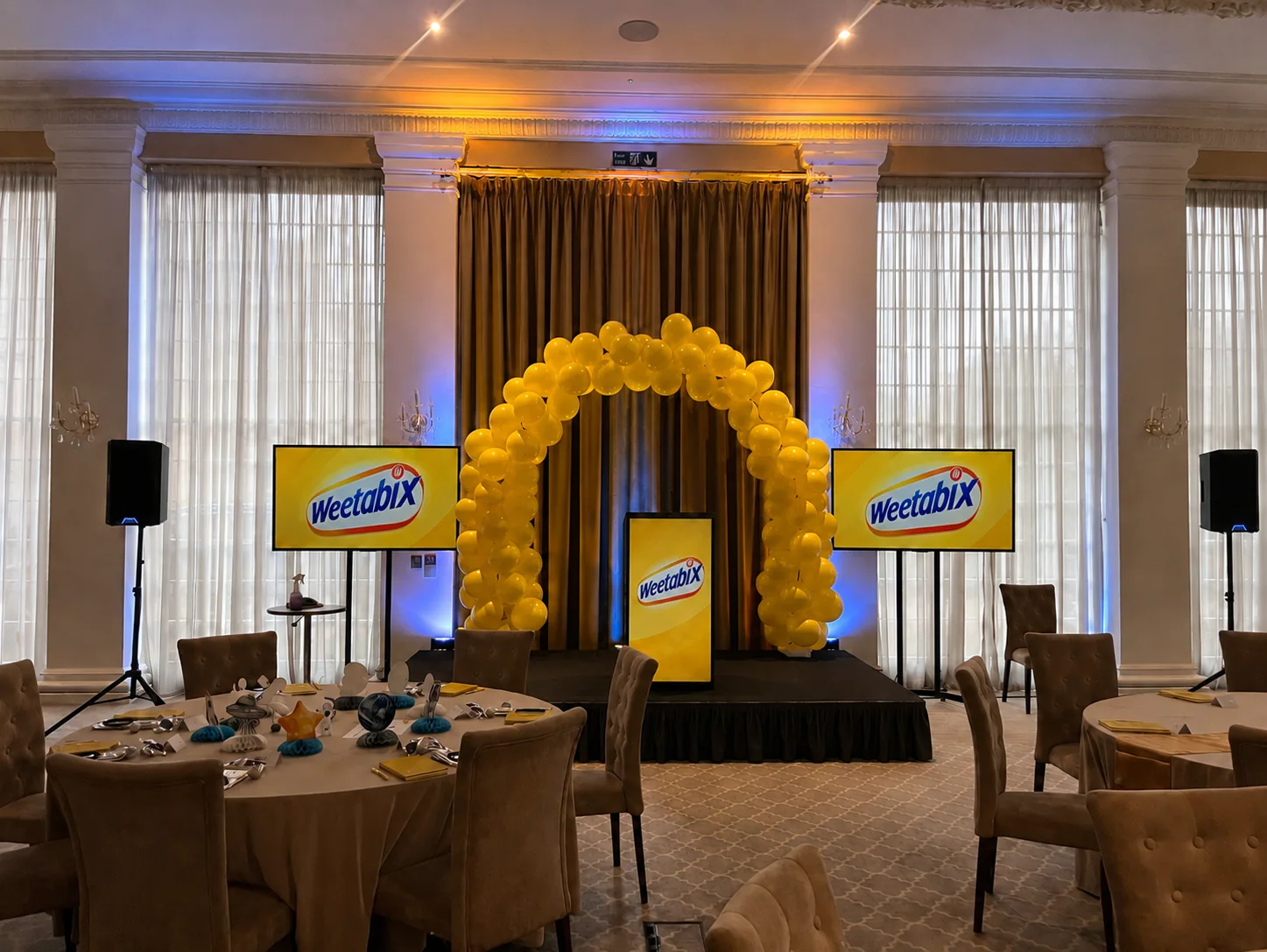
EVENT PLANNING
What is a lectern, and which one suits your event?
A lectern holds a speaker’s notes. Here’s how to choose one around the presenter, working surface, microphone and branding, with a real conference example.
Read the guide